





Dry Cabinets for Professional, Industrial, and Everyday Use
Whether you’re storing cameras, electronics, medical tools, or collectibles, dry cabinets in Singapore provide reliable humidity control. These cabinets are essential for protecting sensitive items from mould, rust, and degradation, ensuring they stay in top condition for years.
What is a Dry Cabinet and Why Do You Need One?
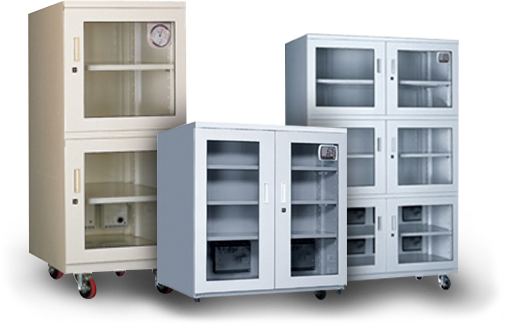
A dry cabinet is a humidity-controlled storage unit designed to protect valuable and sensitive items from moisture damage. It works by using built-in electronic dehumidifiers that maintain a stable, low-humidity environment. These units are commonly used to store cameras, lenses, electronics, industrial tools, and medical instruments.
In a humid climate, moisture can damage expensive equipment and delicate materials. High humidity encourages mould, rust, corrosion, and bacterial growth. Dry cabinets help prevent these problems by keeping the interior at a controlled relative humidity (RH), typically between 20% and 55%. Whether you are a photographer, technician, researcher, or collector, a dry storage cabinet can help preserve the condition and performance of your belongings.
Product Categories
Camera Dry Cabinets
Best Camera Dry Cabinets for Photographers and Videographers
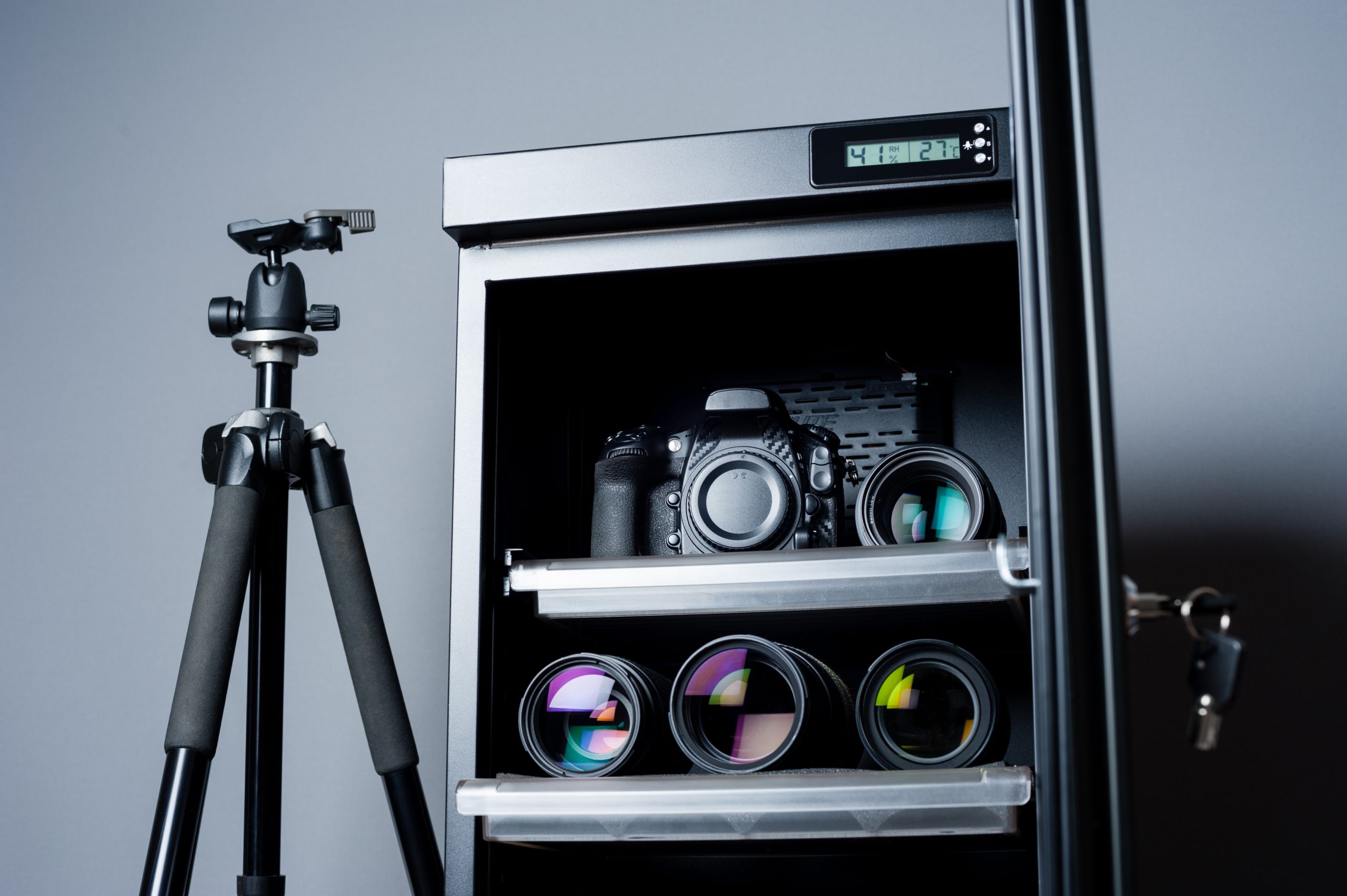
Photographers invest in high-value cameras, lenses, and accessories. These items are sensitive to moisture. Even short exposure to high humidity can cause lens fungus, rust on metal parts, and damage to internal electronics. A camera dry cabinet is built to address these issues by maintaining ideal humidity levels for photographic equipment.
Units are available in various sizes, with features like digital displays, soft LED lighting, adjustable shelves, and silent operation. Many models include memory functions that restore settings after a power cut.
Why Photographers Need Camera Dry Cabinets
Humidity is a common problem in camera storage. Lens fungus is difficult to remove and can ruin optics. Corroded contacts or sensors may lead to expensive repairs. By storing gear in a dry camera cabinet, photographers avoid these risks. It also helps organise equipment safely in one place, ready for use at any time.
Benefits of Storing Lenses and Gear in Humidity-Controlled Storage
- Stops fungal growth on glass surfaces
- Prevents rust on screws, mounts, and joints
- Preserves electronics and batteries
- Keeps leather straps and bags in good condition
- Improves product life and resale value

Industrial and Laboratory Dry Cabinets
Industrial and Laboratory Dry Storage Solutions
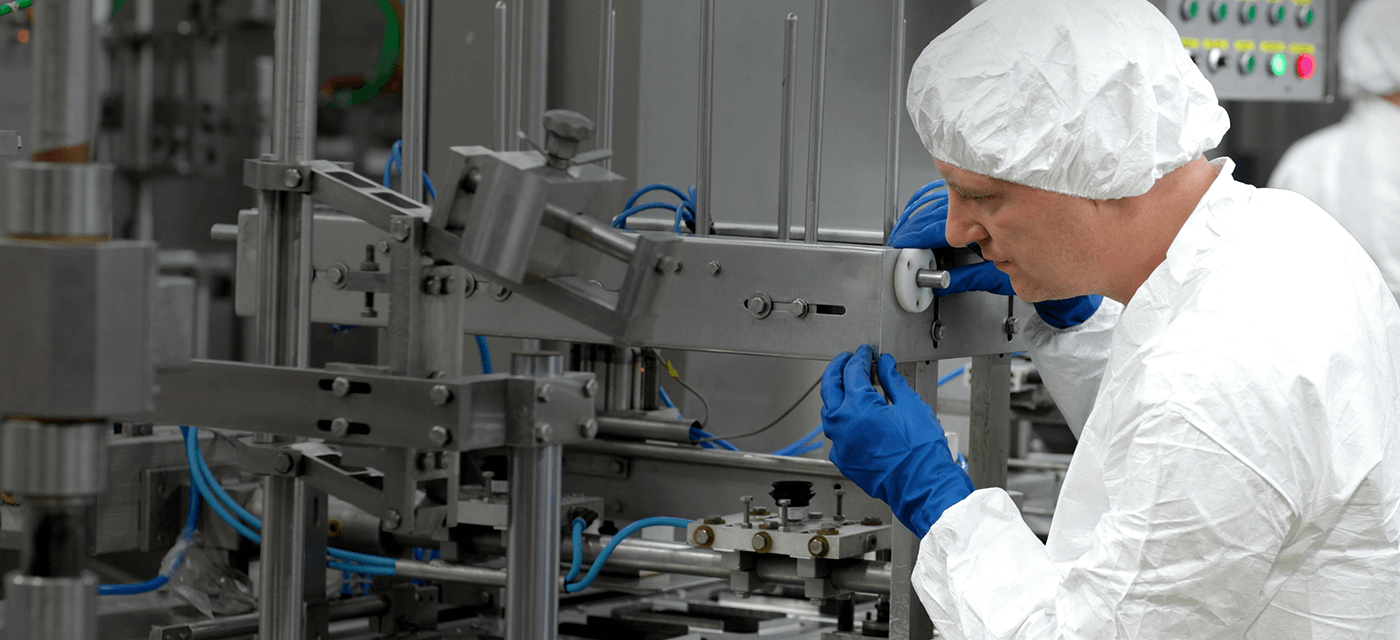
Industrial dry cabinets are designed for use in electronics manufacturing, research labs, and healthcare facilities. These cabinets are built to store moisture-sensitive materials under strict environmental control.
Models used in these settings come with larger capacity, anti-static coatings, and adjustable RH settings. Internal sensors monitor the climate to ensure that the contents remain safe from humidity damage.
Used in Electronics Manufacturing, Data Media, and Medical Storage
These cabinets are essential for storing:
- Electronic parts such as circuit boards, sensors, and microchips
- Medical tools, including surgical devices and diagnostic machines
- Data media like hard drives, magnetic tapes, and SSDs
- Precision lab instruments and calibration tools
In industries where product integrity is key, even slight moisture can lead to malfunction or data loss. A dry cabinet creates a controlled environment for storage and compliance with safety standards.
Helps Protect Industrial Tools, Microchips, and Medical Devices
Dry cabinets reduce the risk of oxidation, short-circuits, and microbial contamination. Some models include nitrogen-purging or ultra-low RH settings below 5%, which meet strict industry requirements.
View Industrial Dry Cabinets

Affordable Dry Box Storage for Home & Office
Dry box storage is a simple and cost-friendly solution for controlling humidity in your home or workplace. These compact units are designed to store smaller personal items that are sensitive to moisture. Unlike larger dry cabinets, dry box storage units are portable, easy to use, and require very little maintenance.
Each camera dry box uses either silica gel or an automatic dehumidifying module to keep the relative humidity low. Some models also include a built-in hygrometer for monitoring levels inside the box. The size and design make these ideal for desktops, wardrobes, or shelves where space is limited.
Cost-Effective Alternative for Casual Users
Not everyone needs a full-sized industrial cabinet. For casual users, dry boxes offer an excellent alternative without the high cost. These units work well for general storage and protection of household and personal items.
If you are a hobbyist, collector, or simply want to keep your valuables in good condition, a dry box storage unit gives you the right level of moisture protection without the bulk or complexity of commercial models.
Used for Small Electronics, Watches, Leather Bags, and Collectibles
Dry boxes help preserve a wide range of everyday items, including:
- Mobile phones and portable electronic devices
- Wristwatches and mechanical timepieces
- Jewellery and precious stones
- Leather accessories, such as handbags, belts, and wallets
- Photographs, negatives, and film rolls
- Collectibles, including coins, stamps, and small art pieces
By keeping humidity under control, you reduce the risk of mould, oxidation, and colour fading.
How to Choose the Right Dry Cabinet
Choosing the right dry cabinet depends on what you need to store and where it will be used. Consider these key points:
Capacity and Size
- Small (30L–50L): Ideal for one or two cameras, lenses, or personal items
- Medium (80L–150L): Suitable for photographers or office equipment
- Large (200L–500L or more): Designed for labs, clinics, or industrial use
Measure your items and allow extra space for future storage needs.
Adjustable Humidity Levels (20%RH – 55%RH)
Choose a cabinet with humidity control in the suitable range. For camera gear, 35%–45% RH is optimal. For electronics and ICs, go as low as 20%–30%. Cabinets with digital control panels offer better precision and ease of use.
Best Options for Cameras, Industrial, and Household Use
- For cameras: Look for silent operation, UV-protected glass, and digital meters
- For industry: Ensure anti-static materials, data logging, and durable construction
- For home use: Select a compact design with simple controls and low power use